

Photos: Alexandar Vujadinovic, CC BY-SA 4.0 · Andrea Schaffer from Sydney, Australia, CC BY 2.0 · skyseeker, CC BY 2.0 · TAKA@P.P.R.S, CC BY-SA 2.0 · Gilles Desjardins, CC BY-SA 4.0
About
In 1192 Minamoto no Yoritomo became the first shogun and made Kamakura, a small town between wooded hills and the sea, the capital of the first samurai government. For 150 years it was the political heart of Japan, and its rulers founded Zen temples and great shrines that still fill its valleys. Today Kamakura is a seaside town an hour from Tokyo, loved for its temples, hiking trails and surf beaches. This private day takes you there with a licensed guide and a car. You see the Great Buddha, cast in 1252, visit Hasedera and its view over the bay, drink matcha among the bamboo of Hokokuji, walk up to the shrine of Tsurugaoka Hachimangu and snack your way down Komachi-dori. In the afternoon you cross to Enoshima, a small island of shrines, caves and seafood restaurants, with Mount Fuji on the horizon when the air is clear. AT A GLANCE • Duration: about 9 hours • Start and end: your hotel in Tokyo or Yokohama • Type: private tour with licensed guide, car and driver • Booking: on request – we confirm availability and the final price by email within 24 hours, and you pay only then • Level: easy to moderate; about 6 km with steps on Enoshima WHAT YOU SEE • Kotoku-in and the Great Buddha. • Hasedera. • Hokokuji and its bamboo grove. • Tsurugaoka Hachimangu and Komachi-dori. • Enoshima: the shrine, the Samuel Cocking Garden and the Iwaya caves. WHY THIS WORKS Kamakura's temples are scattered across several valleys; the car links them so you spend time inside them, not walking along busy roads. WHO IT SUITS First-time visitors who want temples and the sea in one easy day, families and photographers. WHO MAY PREFER ANOTHER TOUR If you want mountains and Mount Fuji up close, choose our Mount Fuji and Hakone day trip. PRACTICAL INFORMATION Kamakura is very busy on weekends and during the hydrangea season in June; weekdays are calmer. Shoes are removed in some temple halls.
from €270 per person
Select date and travelers
Duration
1 day
Starts in
Kamakura
Ends in
Kamakura
Private tourOnly your group, with your own driver and guide. We confirm availability within 24 hours.
Free cancellationFull refund if canceled up to 24 hours before the start of the experience (local time)
Book on requestSend a request and pay nothing now. We confirm by email within 24 hours.
Lowest price guaranteedFound a lower price online? We'll refund the difference.
Included
Everything included in your package
Standard
Private tour
- Pick-up and drop-off at your hotel in Tokyo or Yokohama
- Private air-conditioned vehicle and driver
- Licensed private guide
- Tickets to the Great Buddha, Hasedera and Hokokuji with matcha
- Lunch of local seafood
- Bottled water
Itinerary: 1 day
| Day | Route | Overnight | On the road |
|---|---|---|---|
| 1 | The Great Buddha, Hasedera, Hokokuji, Tsurugaoka Hachimangu, Komachi-dori and Enoshima | — | — |
Day 1: The Great Buddha, Hasedera, Hokokuji, Tsurugaoka Hachimangu, Komachi-dori and Enoshima
What to expect: the temples of the first samurai capital and an island by the sea, with a licensed guide, private car, tickets and lunch. Your guide and driver collect you at your hotel at about 8:00 for the drive south, about an hour. You start at Kotoku-in, where the Great Buddha, a bronze statue of Amida Buddha 11.3 metres tall, has sat in the open air since a tsunami washed away its hall in 1498. You can step inside the hollow statue to see how it was cast in sections in the 13th century. A short walk leads to Hasedera, a temple on a hillside whose main hall holds a gilded wooden statue of Kannon more than 9 metres tall. Its gardens of ponds and hydrangeas climb to a terrace with a view over the town and the bay, and a small cave is lined with carved images of the goddess Benzaiten. You then drive to Hokokuji, a Zen temple of 1334 with a grove of some two thousand moso bamboo stalks, where you sit with a bowl of matcha and a sweet, looking at the light through the green canes. After a lunch of shirasu, tiny fish fresh from the bay, served on rice, you walk up the long avenue to Tsurugaoka Hachimangu, the shrine of the Minamoto clan's protector deity, and down Komachi-dori, a lane of snack stalls and craft shops. In the afternoon you cross the bridge to Enoshima, a rocky island sacred to Benzaiten, goddess of music and fortune. You climb through its shrines to the Samuel Cocking Garden and its lighthouse, and walk down to the Iwaya caves at the water's edge. On clear days, especially in winter, Mount Fuji rises across the bay. You are back in Tokyo at about 17:30. SCHEDULE (approximate times) 08:00 – Pick-up at your hotel. 09:00 – The Great Buddha. 09:45 – Hasedera. 11:00 – Hokokuji and matcha. 12:15 – Lunch. 13:15 – Tsurugaoka Hachimangu and Komachi-dori. 14:30 – Enoshima. 16:30 – Drive back to Tokyo. 17:30 – Back at your hotel. GOOD TO KNOW • An outdoor escalator, the Enoshima Escar, can save the steps on the island. • A short ride on the old Enoden coastal train can be added. • The hydrangeas of Hasedera flower in June, when queues can be long. INCLUDED: private car and driver, licensed guide, temple tickets, matcha at Hokokuji, lunch, bottled water, hotel pick-up and drop-off. NOT INCLUDED: Enoshima garden and caves tickets, drinks with lunch. Overnight: none. Meals: lunch.
Plan your trip
Best time to go
- March to May: warm days and green valleys, a great time for this trip.
- September to November: pleasant days and clear skies.
- December to February: mild, sunny days; cold nights in the mountains.
- June to August: hot inland; cooler on the coast and in the mountains.
Make it yours
This is a private tour: we can add a night, change hotels or adjust the route to suit you.
Practical info
- Money: the Moroccan dirham (MAD). Cards work in cities and hotels; bring cash for villages, tips and souks.
- Plugs: type C and E (European), 220 V.
- Phone: a local SIM (Maroc Telecom, Orange or inwi) is cheap at the airport and works along the whole route.
- Visa: many nationalities (EU, UK, US, Canada, Australia) need none for up to 90 days. Check the rules for your passport before you go.
What to bring
- Comfortable shoes for the medinas and the dunes
- A scarf or hat, sunglasses and sunscreen
- Some cash in dirhams for tips and small purchases
- Clothes covering shoulders and knees for villages and religious sites
- Your passport (hotels ask for it at check-in)
Good to know
Cancellation policy
Full refund if you cancel at least 24 hours before the start. Cancellations less than 24 hours before are not refunded. If bad weather stops the tour, you get a new date or a full refund.
Accessibility
Not wheelchair accessible. Child seats or chairs available.
Frequently Asked Questions
How does booking on request work?
You choose a date and the number of travellers and send the request. Nothing is charged. We confirm availability and the final price by email within 24 hours, and you pay online only when the tour is confirmed.
How long is the drive from Tokyo?
About an hour each way, more on weekends. The train is an alternative; your guide can meet you at Kamakura station.
Are the entrance tickets included?
Yes: the Great Buddha, Hasedera and Hokokuji with matcha. The Enoshima garden and caves can be added.
Can we go inside the Great Buddha?
Yes, for a small fee paid on the spot, when the interior is open. It is a short, interesting look at how the statue was cast.
Is lunch included?
Yes, a lunch of local seafood such as shirasu. Vegetarian and other diets can be arranged.
Is it suitable for children?
Yes. Children enjoy the giant Buddha, the caves and the snacks. Child seats are provided free of charge on request.
Is it suitable for people with limited mobility?
Partly. The Great Buddha and Tsurugaoka Hachimangu are easy; Hasedera and Enoshima have steps. The car can drop you close to each place.
Will we see Mount Fuji?
On clear days, especially from November to February, Fuji is visible from Enoshima. In summer it is often hidden.
Can we swim?
In July and August the beaches of Yuigahama and Katase are open for swimming. Bring a swimsuit and we can add time.
Should we tip?
Tipping is not customary in Japan, and no one will expect it.
What should we wear?
Comfortable shoes that are easy to take off, sun protection in summer and a jacket in winter.
What is the best time of year?
April for cherry blossom, June for hydrangeas, November for autumn colours, and winter for the clearest views of Fuji.
What is the cancellation policy?
You can cancel free of charge up to 72 hours before the tour. Until your request is confirmed, nothing is charged at all.
How do I pay for this tour?
You can reserve with €20 now and pay the rest on the first day of the tour, or pay everything online when you book.
What is the cancellation policy?
Cancel at least 24 hours before the start for a full refund. If bad weather stops the tour, you get a new date or a full refund.
How far in advance should I book?
Spring (March to May) and autumn (September to November) are the busiest seasons, so book early for those months. You can reserve with €20 and still cancel for free up to 24 hours before.
Similar experiences
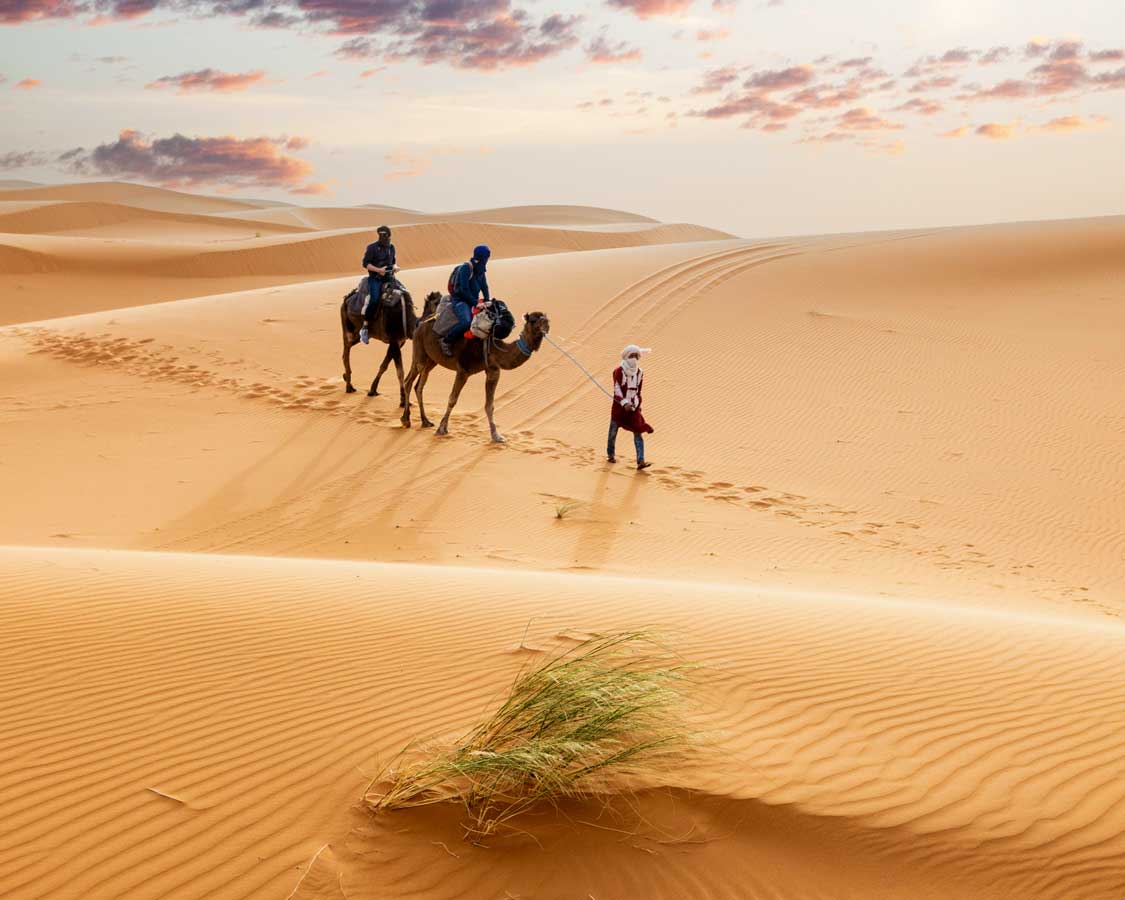 PopularMarrakech
3-Day Marrakech to Merzouga Desert Tour with Sahara Camp
5.0(5)
from €276 per person
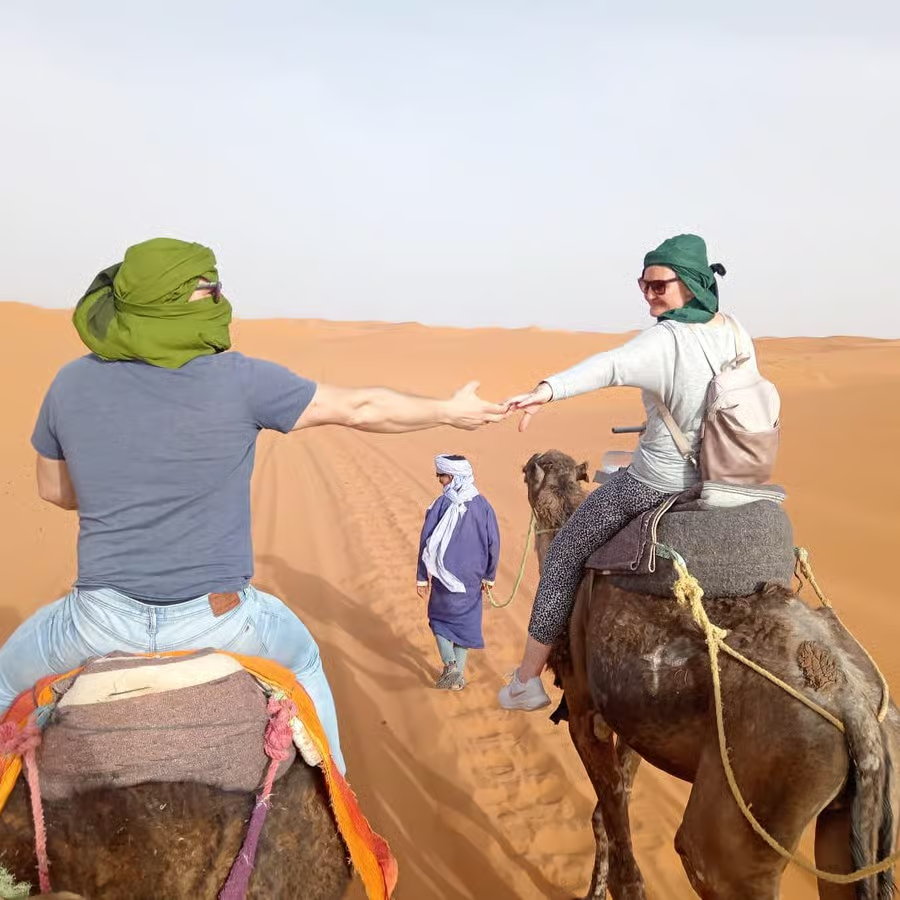 PopularFes
3-Day Desert Tour from Fes to Merzouga and Back via Todra Gorge
5.0(1)
from €276 per person
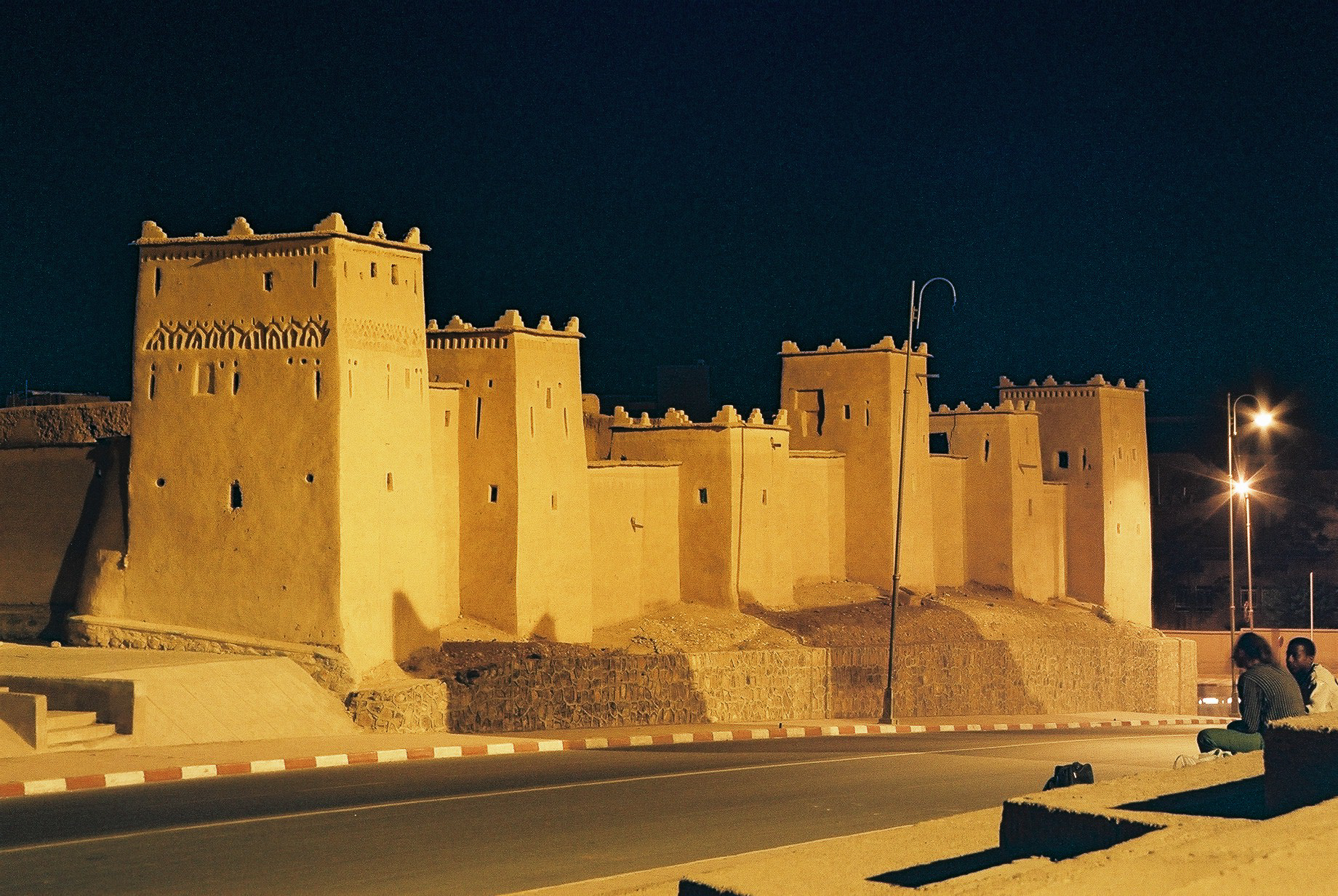 PopularOuarzazate
7 Day Ouarzazate to Marrakech Sahara Trip: Zagora, Merzouga, the Gorges and Ait Ben Haddou
from €618 per person
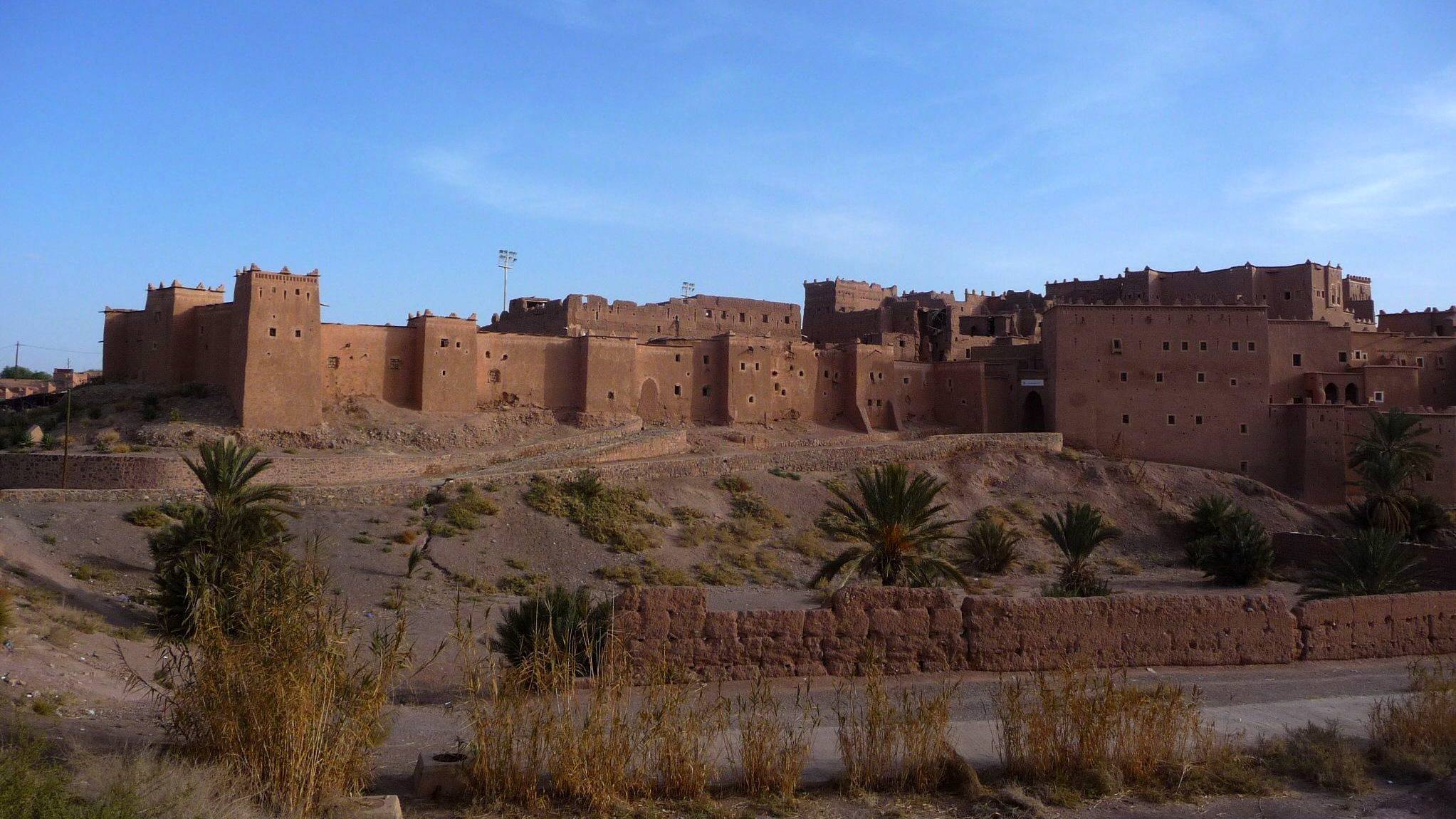 PopularMarrakech
5 Days Tour from Marrakech to Fes: Ait Ben Haddou, Dades and Two Nights in Merzouga
from €424 per person