A Itália, uma nação europeia, estende-se pelo Mar Mediterrâneo assemelhando-se a uma península em forma de bota. Faz fronteira com França, Suíça, Áustria e Eslovénia. Conhecida pelo seu profundo impacto na cultura e história ocidental, a Itália alberga mais locais do Património Mundial da UNESCO do que qualquer outro país. É o berço do Renascimento e famosa pela sua arte influente, arquitetura e figuras históricas como Leonardo da Vinci e Michelangelo. A culinária italiana, com o seu apelo global, sublinha a importância cultural da Itália. Além disso, a economia da Itália é a oitava maior mundialmente, fortemente marcada pelas suas indústrias de moda de luxo e automóvel.
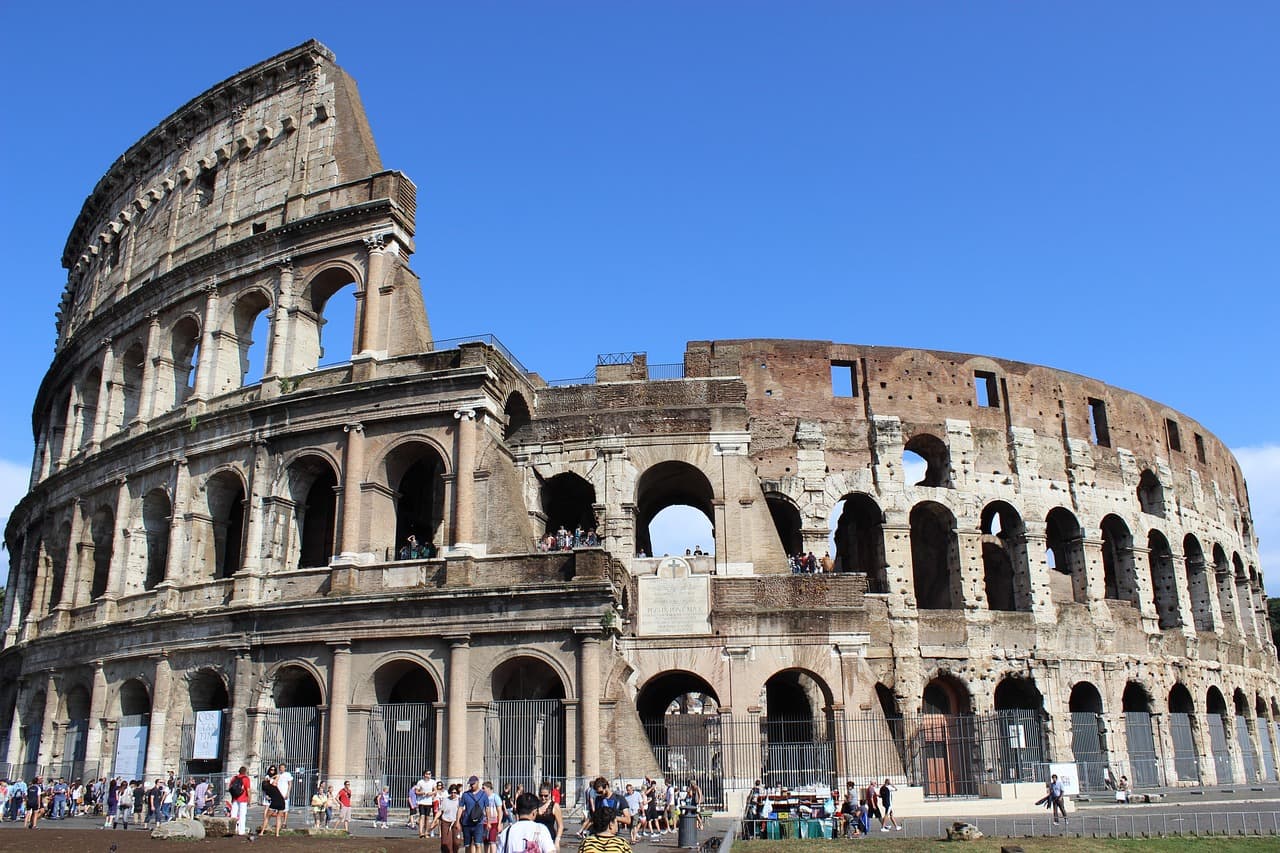
The Colosseum, originally known as the Flavian Amphitheatre, is an iconic symbol of Imperial Rome and is one of the most impressive ancient structures in the world. It was used for gladiatorial contests and public spectacles such as mock sea battles, animal hunts, and executions.
The Uffizi Gallery is one of the most famous art museums in the world, housing an unrivaled collection of Italian Renaissance art including works by Botticelli, Michelangelo, and Leonardo da Vinci. Located in the historic center of Florence, the museum's architecture and the masterpieces it contains attract art lovers and tourists from around the globe.
Piazza Maggiore is the heart of Bologna, surrounded by several significant buildings including the Basilica di San Petronio. This large and lively square hosts various cultural events and is a popular gathering place for both locals and tourists.
The Duomo di Milano, or Milan Cathedral, is one of the largest cathedrals in the world and an iconic symbol of the city. This Gothic cathedral took nearly six centuries to complete and is renowned for its intricate architecture, including thousands of statues and its stunning marble façade. Visitors can also access the rooftop for a panoramic view of Milan.
Established by Sir Thomas Hanbury in the 19th century, the Hanbury Botanic Gardens are located on the scenic slopes above the Mediterranean. This extensive garden features a rich collection of exotic plants and offers stunning views over the sea, making it a perfect spot for nature lovers and photographers alike.
The Leaning Tower of Pisa is an architectural marvel famous for its unintended tilt. Originally intended as the bell tower for the nearby cathedral, construction began in the 12th century. The tower's iconic lean, caused by unstable foundation soil, has made it a world-renowned symbol of Italy.
St. Mark's Basilica is one of the most iconic symbols of Venetian architecture. Known for its opulent design and gilded mosaics, this cathedral is a prime example of Italo-Byzantine architecture. Located in the famed St. Mark's Square, it has been the city's cathedral since 1807 and attracts millions of visitors annually.
The Arena di Verona is a grand Roman amphitheater, which dates back to the 1st century AD. It is renowned for its well-preserved structure and is now used for large-scale opera performances, drawing thousands of music lovers from around the world each year. The arena offers a unique glimpse of Roman architecture and cultural history.
Pompeii is an ancient Roman town-city near modern Naples, which was buried under 4 to 6 m of volcanic ash and pumice in the eruption of Mount Vesuvius in AD 79. Visitors can explore the site that provides an extraordinarily detailed insight into the life of a city at the height of the Roman Empire.




 historical


