
Moroccan hammam
Moroccan Hammam for First-Timers: What Happens, What to Bring and How to Behave
Your first Moroccan hammam explained step by step: public or spa hammam, black soap and scrub, what to wear, what to bring, etiquette and tipping.
Travsus Admin
· 7 min read

Few experiences in Morocco are as relaxing, or as intimidating the first time, as a visit to the hammam. For Moroccans, the hammam is a weekly ritual: a place to get properly clean, to relax in the heat and to meet friends and neighbours. For visitors, it is a wonderful way to understand everyday Moroccan life and to recover after long days of walking in the medina or driving to the desert.
This guide explains exactly what happens in a hammam, the difference between public and spa hammams, what to bring, what to wear and how to behave, so your first visit feels easy.
What is a hammam?
A hammam is a steam bath with several rooms of increasing heat, usually made of stone or tadelakt, a smooth waterproof plaster typical of Morocco. Water is heated by a wood or gas furnace, and the floors and walls radiate warmth. People wash in stages: they relax in the heat, scrub away dead skin, rinse and rest.
Hammams have existed in Morocco for centuries and are traditionally built near mosques, bakeries and fountains as part of the essential services of each neighbourhood.
Public hammam or spa hammam?
Public (local) hammams
Every neighbourhood has its own public hammam, with separate sections or separate hours for men and women. They are very affordable and full of local life.
Atmosphere: busy, social and authentic; families, friends and neighbours wash together
Price: very low entrance fee, with a small extra charge if you ask an attendant to scrub you
Comfort: simple; you bring everything yourself
Best for: curious, open-minded travellers who want a genuine local experience
It is a good idea to go the first time with a local or a guide who can explain the routine, or to ask your riad to recommend a hammam used to welcoming visitors.
Spa hammams
Spa hammams in riads, hotels and dedicated spas offer a private, guided version of the ritual. You are taken care of by an attendant from start to finish, often followed by a massage.
Atmosphere: calm, private and relaxing
Price: much higher than a public hammam, varying with the level of the spa and the treatments chosen
Comfort: towels, products, slippers and a relaxation room are provided
Best for: first-timers, couples and anyone who wants a stress-free experience
The ritual, step by step
Whether you choose a public or a spa hammam, the steps are similar.
Undress and enter the warm rooms. You leave your clothes in a changing area and move into the first warm room to let your body adjust to the heat.
Warm up. You sit or lie down in the hot room for 10 to 15 minutes. The heat and steam open the pores and soften the skin.
Black soap. You (or your attendant) apply savon beldi, a natural paste made from olive oil and olives, over your whole body. You leave it on for a few minutes.
The scrub (gommage). After rinsing the soap, the attendant scrubs your skin vigorously with a textured glove called a kessa. You will be amazed at how much dead skin comes off. It can feel intense, so say "shwiya" (gently) if it is too strong.
Rhassoul clay or hair wash. Some hammams apply rhassoul, a mineral clay from the Atlas Mountains, as a mask for the skin and hair.
Rinse. Buckets of warm and then cooler water are poured over you.
Rest. In spas, you rest in a relaxation room with mint tea. Many people follow the hammam with a massage using argan oil.
The whole ritual usually takes between 45 minutes and 2 hours.
What to wear
In public hammams: women usually wear bikini bottoms or underwear; men wear shorts or swimming trunks. Complete nudity is not the norm.
In spa hammams: disposable underwear is usually provided. You can also wear your own swimwear.
Bring a change of underwear, since what you wear in the hammam gets wet.
What to bring to a public hammam
Black soap (savon beldi) and a kessa glove, both sold cheaply in shops near the hammam
Shampoo and conditioner
A towel and a change of clothes
Flip-flops
A small plastic mat or stool, if you have one; local people often bring their own
A bucket or two, although they can usually be borrowed on site
A little cash for the entrance, the attendant and a tip
In spa hammams, everything is provided.
Hammam etiquette
Respect separate areas and hours. Men and women never bathe together in public hammams.
Do not take photos. It is a private space.
Be discreet. Keep conversations low and avoid staring.
Clean up. Rinse your area and leave it as you found it.
Hydrate. Drink water before and after; the heat is intense.
Tell the attendant if something is uncomfortable. Scrubbing pressure, water temperature or heat can all be adjusted.
Your first visit to a public hammam: what to expect
If you choose a neighbourhood hammam, knowing the routine in advance removes most of the stress.
At the entrance, you pay a small fee at the desk. You can also ask for a "kessala", the attendant who will scrub you, for an extra charge. Buy black soap and a kessa glove here if you did not bring them.
In the changing room, you undress down to your underwear or swimwear and leave your bag. Valuables are better left at your riad.
In the bathing rooms, you pick up buckets, fill them with hot and cold water from the taps and choose a spot on the floor or on a small mat. Regulars usually head straight to the hottest room.
The attendant calls you when it is your turn for the scrub, often asking you to lie on a mat. They will move your arms and legs as needed; just relax.
Rinsing and washing your hair is done with your own buckets of water.
Back in the changing room, you dress, drink some water and leave feeling lighter than you thought possible.
Nobody expects you to know every detail. Local women and men are often happy to show visitors what to do, and a smile goes a long way.
Hammam products worth buying
The products used in the hammam make lovely, practical souvenirs, and you will find them in every market and pharmacy:
Savon beldi (black soap): a soft olive-oil soap, sometimes scented with eucalyptus or orange blossom
Kessa glove: the textured scrubbing glove; buy a good-quality one, they last for years
Rhassoul clay: a mineral clay from the Atlas Mountains, used as a mask for skin and hair
Argan oil: cosmetic argan oil for skin and hair after the hammam; buy from cooperatives or trusted shops to make sure it is pure
Rose water and orange blossom water: used as toners and in many beauty rituals
Health tips
The hammam is not recommended if you are pregnant, have heart problems, high blood pressure or certain skin conditions, or if you have just had sunburn. Avoid going on a full stomach or after drinking alcohol. If you feel dizzy, move to a cooler room, sit down and drink water.
When is the best time to go?
After a long day of sightseeing or at the end of a desert trip, when your skin is dry from the sun and the sand, a hammam feels wonderful. Public hammams are busiest on weekends and before holidays. Spa hammams should be booked in advance, especially in Marrakech.
Tipping in the hammam
In a public hammam, if an attendant scrubs you, a tip of 20 to 30 dirhams is usual. In a spa, around 10% of the treatment price for the therapist is appreciated. Our guide to tipping in Morocco covers other situations too.
Where to try a hammam on your trip
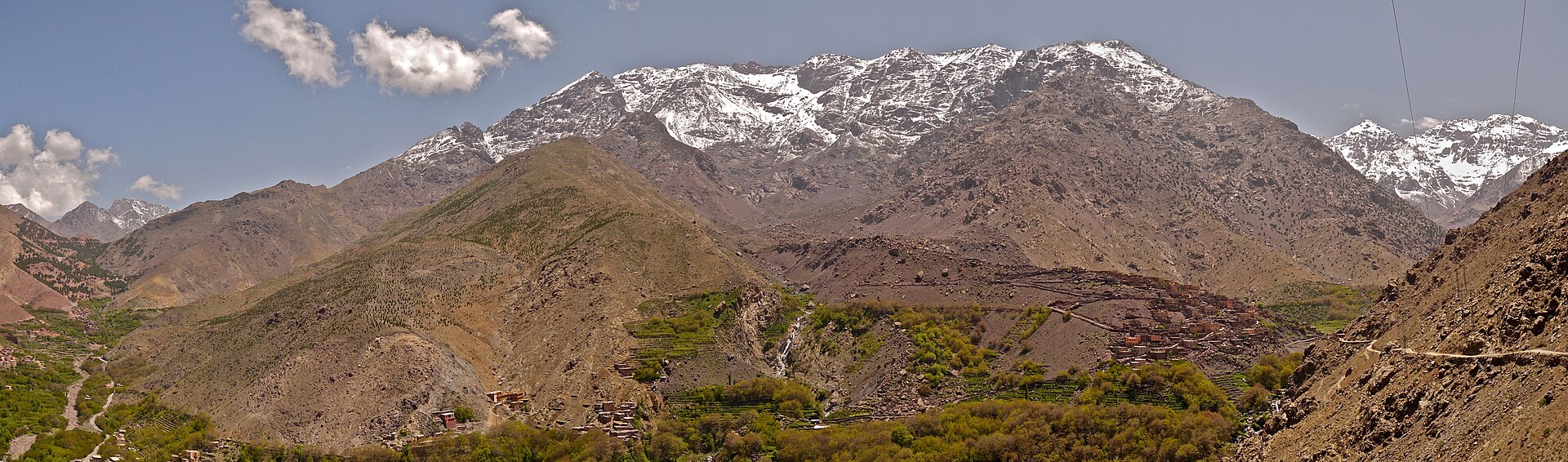
Marrakech and Fes have the widest choice, from historic public hammams to luxurious spas. Many riads have their own small hammam, which is a gentle way to try it the first time. In the Atlas Mountains and some desert hotels, you can also find simple traditional hammams heated by wood.
A relaxing way to include it in your trip is a city-and-nature itinerary such as our 5-day Marrakech, Atlas, Essaouira and Agafay tour, with free time in Marrakech to book a hammam and massage.
Frequently asked questions
Is the hammam mixed?
No. Public hammams have separate sections or separate hours for men and women. Some spa hammams offer private treatments for couples.
Does the scrub hurt?
It can feel strong, especially the first time, but it should not hurt. Ask for a lighter scrub if needed.
How often do Moroccans go to the hammam?
Traditionally, once a week. For many families it is a social occasion as much as a way to get clean.
Can I go to a hammam during my period?
Many women prefer to avoid public hammams during their period. In private spa hammams, you can discuss it with the spa.
Is a hammam good after a desert trip?
Yes. The heat and the scrub remove sand and dry skin and relax tired muscles. It is a perfect way to end a Sahara tour.
Relax the Moroccan way
The hammam is one of the most authentic and enjoyable parts of Moroccan life. Whether you choose a busy neighbourhood hammam or a quiet spa, you will leave with soft skin, a clear mind and a better understanding of daily life in Morocco. Ask us, and we will suggest a hammam that matches your style during your private tour.
- Moroccan hammam
- Hammam Marrakech
- Morocco spa
- Black soap gommage
- Morocco culture
- Marrakech things to do
- Morocco wellness