
What to wear in Morocco
What to Wear in Morocco: A Practical Dress Guide for Women and Men by Season
What to wear in Morocco for cities, the desert, the mountains and the coast: respectful, comfortable outfits for women and men in every season.
Travsus Admin
· 7 min de lectura
Este artículo aún no está disponible en tu idioma, por eso se muestra en inglés.
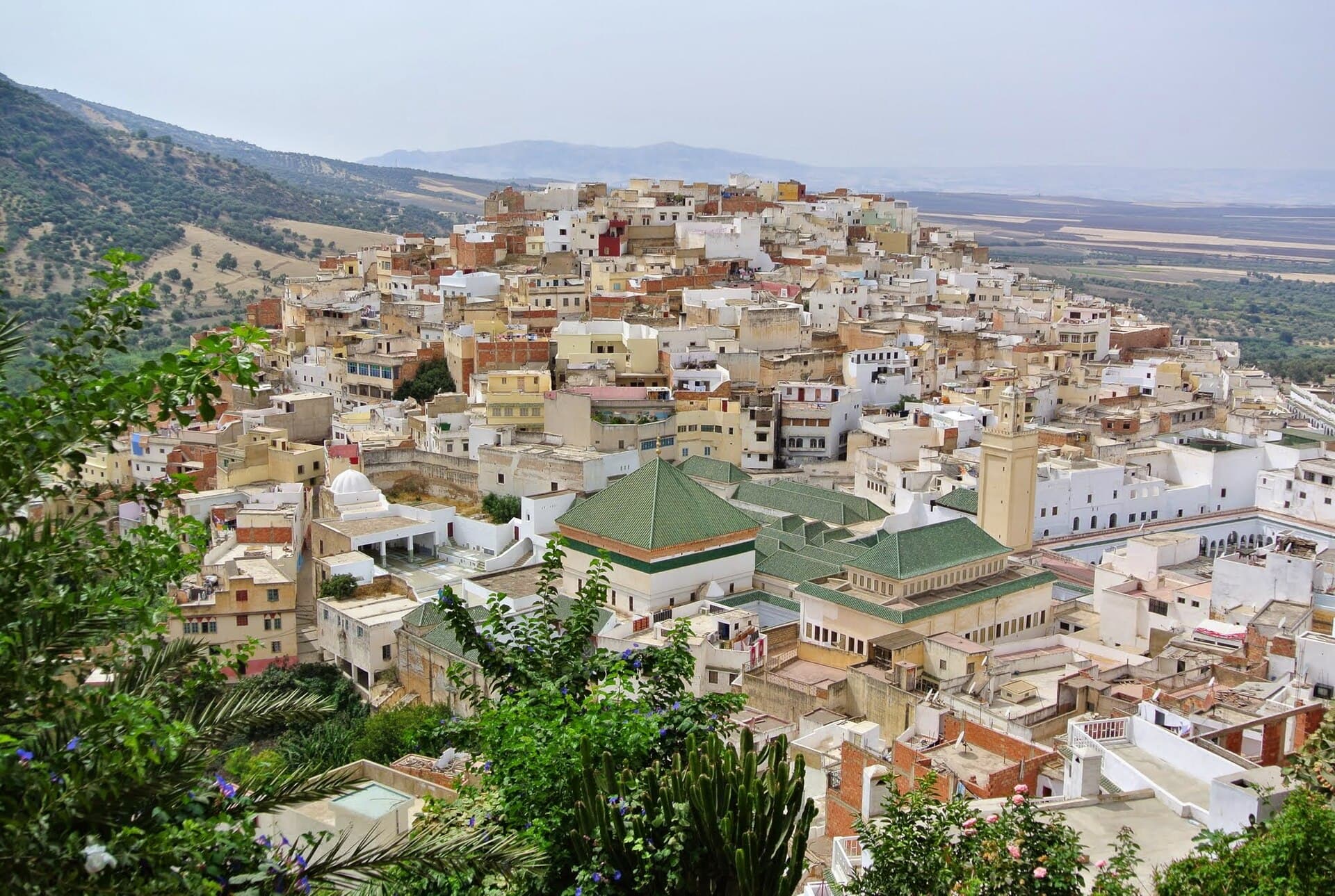
Packing for Morocco can feel confusing. You might be visiting a busy medina, a conservative mountain village, a trendy rooftop bar and a desert camp in the same week, and the weather can range from hot sun to freezing nights. The good news is that the right wardrobe is simple: light, loose, modest layers that work almost everywhere.
This guide explains what to wear in Morocco for women and men, adapted to each region and season, with a practical packing list at the end.
Understanding the dress code
Morocco is a Muslim country with a relaxed attitude towards visitors. There is no legal dress code for tourists, and you will see a wide range of styles, from traditional djellabas to jeans and T-shirts. Still, modest clothing is a sign of respect, and it makes your trip more comfortable: you will attract less attention and feel more at ease in traditional areas.
The simple rule is: cover your shoulders and knees in medinas, villages and religious sites. In modern neighbourhoods, beach resorts and upscale venues, the rules are much more relaxed.
What women should wear
In the cities and medinas
Loose trousers, maxi skirts or midi dresses
Tops with sleeves, or a light cardigan or shirt over a T-shirt
A light scarf, useful for sun, dust and visiting religious sites
Comfortable, closed walking shoes or sturdy sandals for uneven medina streets
Tight or very short clothing is not forbidden, but it tends to attract stares and comments, especially in traditional neighbourhoods. Loose and light fabrics such as linen and cotton are both respectful and much cooler in the heat.
In rural areas and villages
Dress more conservatively in the countryside and mountain villages: long skirts or loose trousers and tops that cover the shoulders. People there are welcoming and curious, and modest clothing shows respect for local customs.
At the beach and the pool
Swimwear is completely normal at hotel pools and on tourist beaches such as Essaouira, Agadir and Taghazout. Cover up with a dress or shirt when you leave the beach.
What men should wear
Long, light trousers or knee-length shorts in tourist areas
T-shirts and short-sleeved shirts are fine; avoid sleeveless tops in medinas
Comfortable walking shoes
A hat or cap for the sun
Moroccan men rarely wear shorts in town, but knee-length shorts are accepted in tourist areas. For visits to villages, mosques that admit visitors or more formal places, long trousers are better.
Visiting religious sites
Most mosques in Morocco are closed to non-Muslims. The main exception is the Hassan II Mosque in Casablanca, which offers guided tours. For visits to the Hassan II Mosque, mausoleums and other religious sites:
Cover your shoulders and knees
Women may be asked to cover their hair, so carry a scarf
Remove your shoes where indicated
What to wear in the Sahara
The desert is where your clothing choices matter most.
During the day
Loose, light, long-sleeved clothing to protect you from the sun
A wide-brimmed hat or a scarf that can be wrapped around your head, as local guides do
Sunglasses and high-factor sunscreen
Sandals or light shoes for the sand; bare feet are lovely on cool sand in the evening
In the evening and at night
Temperatures drop quickly after sunset. Even in spring and autumn you will need a warm fleece or jacket. From November to February, nights can be close to freezing, so bring a warm hat, gloves and thick socks.
For the camel ride
Long trousers are more comfortable than shorts on a camel saddle. A scarf protects your face if the wind picks up.
What to wear in the Atlas Mountains
The mountains are cooler than the cities, and the weather can change fast.
Layers: a T-shirt, a fleece and a light waterproof jacket
Proper walking shoes or hiking boots for trails
A warm hat in winter, when snow is common on the high peaks
Sun protection, because the sun is strong at altitude
Dressing for the seasons
Spring (March to May)
Warm days and cool evenings. Pack light layers, a jacket for the evening and something warmer for the desert and the mountains.
Summer (June to August)
Very hot inland, milder on the coast. Choose loose linen and cotton, a hat and good sunglasses. Long, light sleeves protect you better from the sun than short ones.
Autumn (September to November)
Similar to spring: warm days, cooler nights. A light jacket and a warm layer for the desert are enough.
Winter (December to February)
Mild days in Marrakech and the south, cold nights everywhere and real cold in the mountains and the desert at night. Bring a warm jacket, a jumper, a hat and warm socks. Riads can feel cold inside, so a cosy layer for the evening is useful.
Outfit ideas for a typical trip
It can help to picture a few real days of your trip. Here is how many travellers dress on a classic Marrakech, desert and Fes itinerary.
A day in the medina of Marrakech or Fes
Women: loose linen trousers or a midi skirt, a breathable top with short or three-quarter sleeves, a light scarf in your bag, comfortable trainers or flat sandals with good grip
Men: chinos or light trousers, a short-sleeved shirt or T-shirt, a cap, comfortable walking shoes
The medina streets are narrow and often shaded, but they are busy and uneven. Leave flip-flops and high heels for the riad.
A day on the road to the desert
Layers that are easy to take off in the car: a T-shirt, a long-sleeved shirt and a fleece
Comfortable trousers for long hours in the vehicle
A scarf and sunglasses ready for the camel ride
A warm jacket packed on top of your bag for the evening in the camp
A day in the High Atlas
Walking shoes or hiking boots, especially if you plan to visit villages on foot
A fleece and a light waterproof jacket, even in spring
Sun cream and a hat, since the sun is strong at altitude
An evening out in Marrakech
Upscale restaurants, rooftop bars and hotels in the Guéliz and Hivernage districts are more cosmopolitan. A dress, smart trousers or a nice shirt are perfect. Bring a light layer, as evenings can be cool on rooftops.
What not to bring
Too many clothes. Riads can arrange laundry, and a few versatile pieces are enough.
Only shorts and vest tops. You will feel uncomfortable in traditional areas.
Expensive jewellery. It is unnecessary and can draw attention in crowded places.
New shoes. Wear shoes you have already broken in; you will walk a lot on cobbles and sand.
A heavy suitcase for the desert. On desert trips you usually take only a small bag to the camp, so a soft bag or backpack is ideal.
A practical packing list
Clothing
2 to 3 pairs of light, loose trousers or long skirts
4 to 6 breathable tops, including some with sleeves
1 light long-sleeved shirt for sun protection
1 warm fleece or jumper
1 warm jacket from October to April
A light scarf or shawl
Swimwear for hotels and the coast
Comfortable walking shoes and sandals
Accessories
Sunglasses and a sun hat
Sunscreen and lip balm
A small day bag that closes well
A reusable water bottle
For the desert and the mountains
A warm hat and gloves in winter
A headlamp or small torch
A buff or scarf for wind and sand
Frequently asked questions
Do women need to cover their hair in Morocco?
No. Tourists do not need to cover their hair, except when visiting some religious sites such as the Hassan II Mosque. Many Moroccan women do not cover their hair either.
Can I wear shorts in Marrakech?
Yes, especially men in tourist areas. For women, longer shorts or skirts are more comfortable in the medina, where very short clothing attracts attention.
Can I wear leggings in Morocco?
Yes, ideally with a longer top or tunic that covers your hips. On their own, leggings may attract attention in traditional areas.
What shoes should I bring?
Comfortable walking shoes for the medinas, which have uneven and sometimes slippery streets, and sandals for the desert and the coast. Hiking shoes are useful if you plan to walk in the Atlas Mountains.
Is it cold in Morocco in winter?
Days are often sunny and mild in the south, but nights are cold, especially in the desert and the mountains. Pack warm layers from November to February.
Travel comfortably
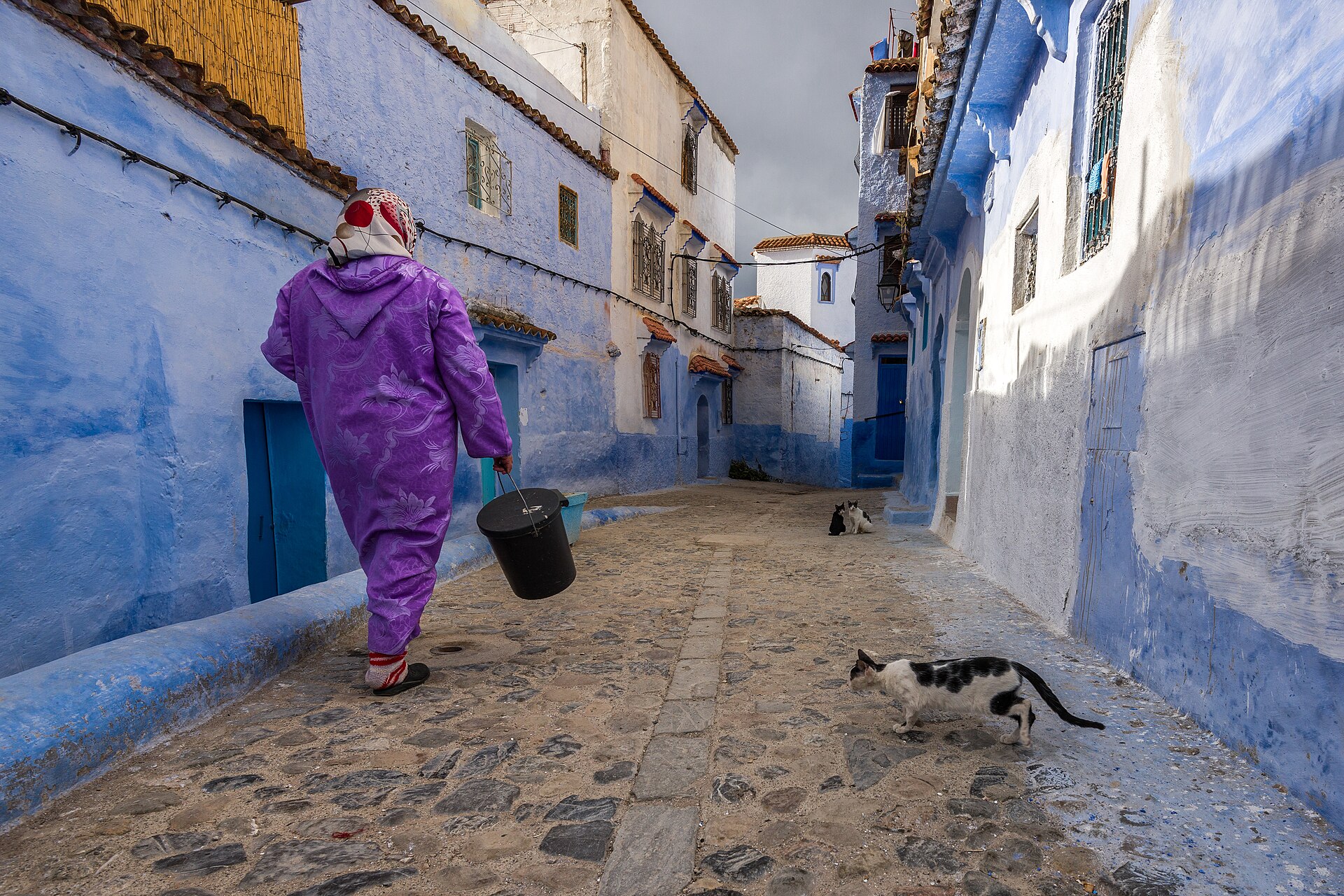
Dressing for Morocco is less about rules and more about comfort and respect. With a few light, modest layers and something warm for the evenings, you are ready for medinas, mountains and dunes alike. Whether you are planning a day in the blue city of Chefchaouen or a desert trip from Marrakech, our team is happy to advise you on what to pack for your exact dates.
- What to wear in Morocco
- Morocco dress code
- Morocco packing list
- Women travel Morocco
- Sahara packing
- Morocco travel tips
- Morocco culture