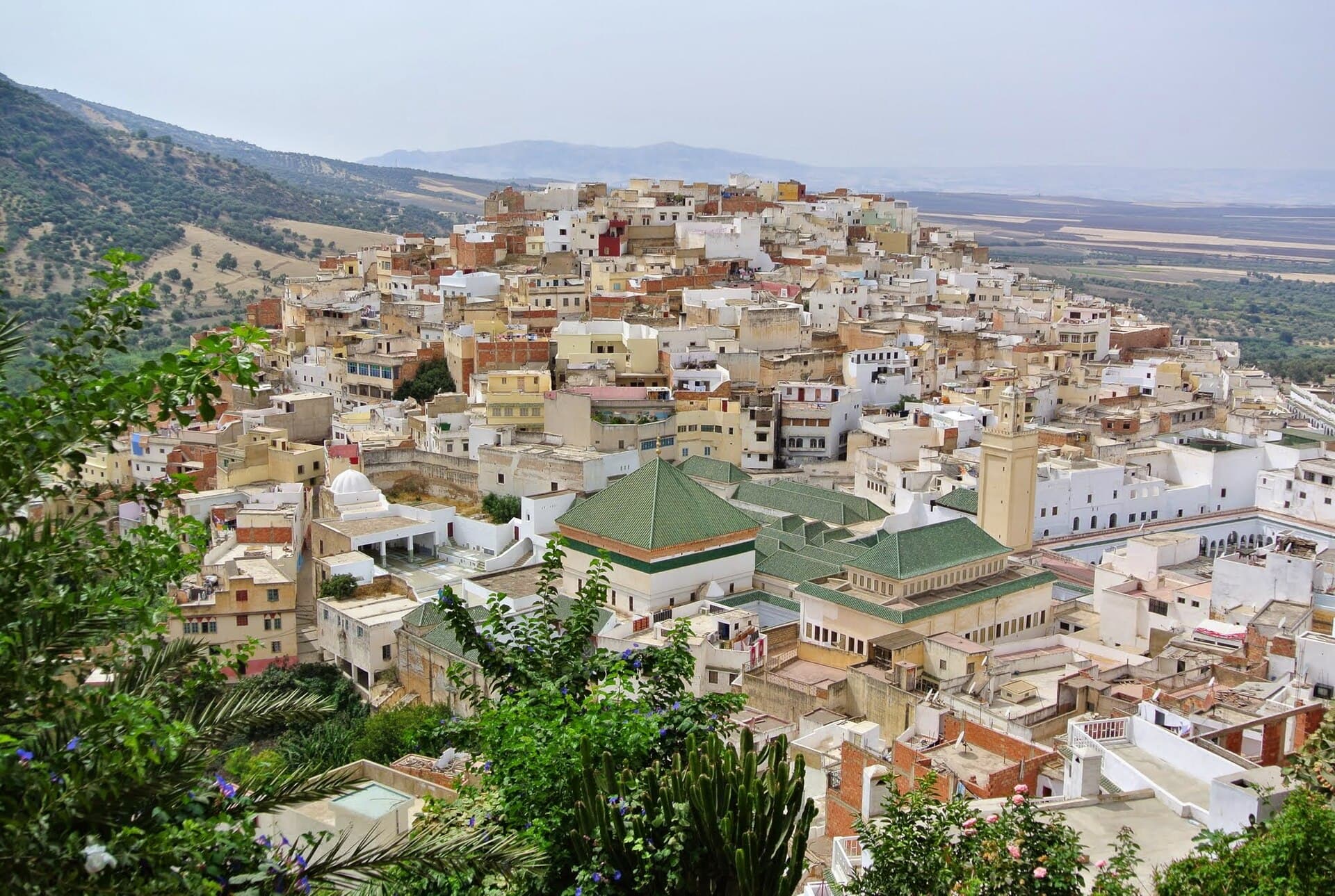

What to Wear in Morocco
What to Wear in Morocco: Outfits & Complete Packing List
What to wear in Morocco in every season and region: modest outfits for women and men, Sahara desert tips, hammam etiquette and a complete packing list.
TRAVSUS
· 14 Min. Lesezeit
Dieser Artikel ist noch nicht in Ihrer Sprache verfügbar und wird daher auf Englisch angezeigt.
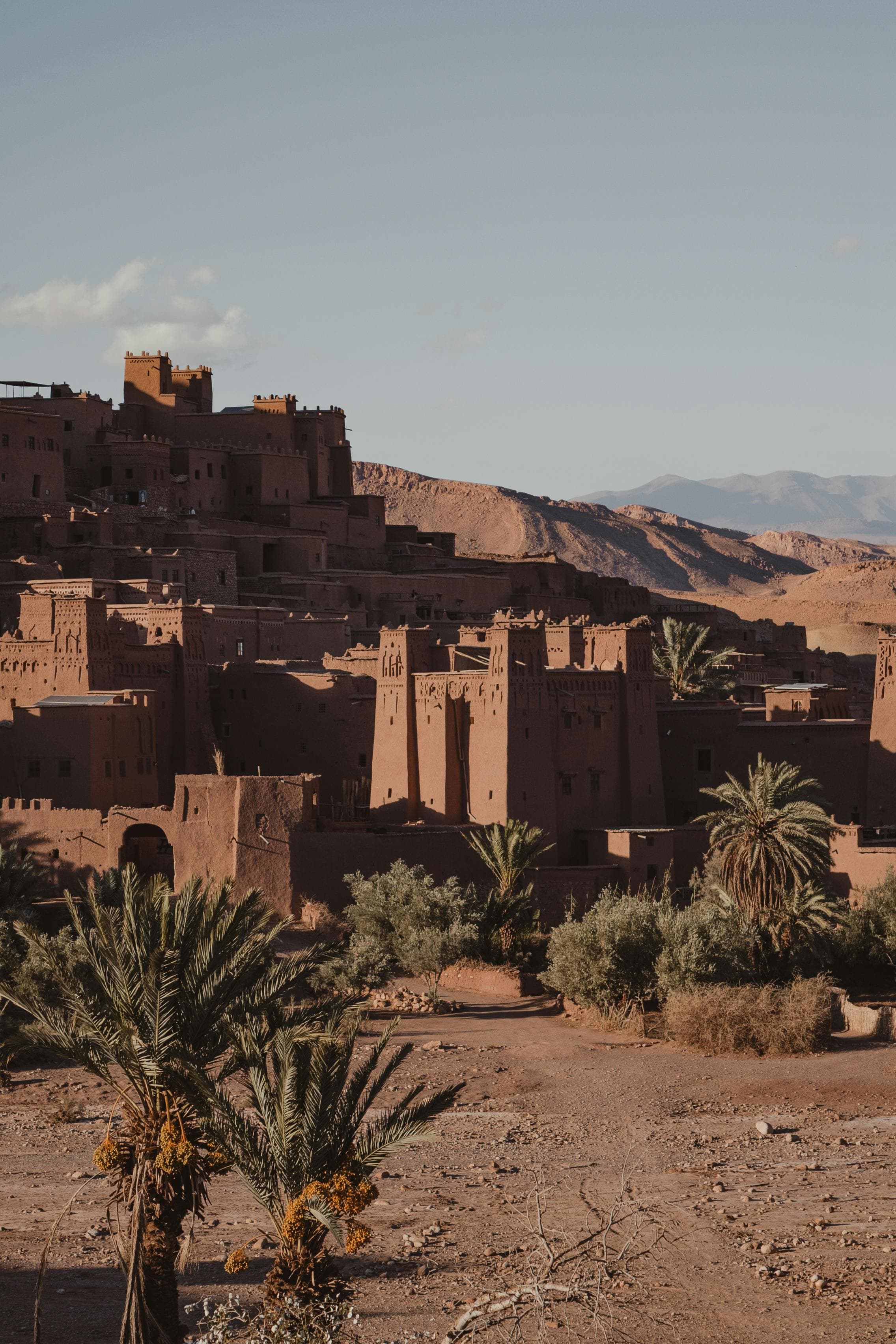
Few questions land in our inbox more often than this one: what to wear in Morocco? It is a fair thing to wonder. Morocco is a welcoming, open country, yet it is also a Muslim society with its own codes of dress. On a single trip you might wander the souks of Marrakech at 38°C, sleep under the stars in the Sahara when the temperature drops close to freezing, hike a mule track in the High Atlas and finish with windy sunset walks on the Atlantic coast in Essaouira. One suitcase has to handle all of that.
This guide brings together what we have learned from years of guiding travelers across the country. You will find the cultural background behind modest dress, practical outfit ideas for women and men, advice by season and region, what to wear for a camel ride in the dunes, hammam etiquette, and a complete Morocco packing list you can tick off before you leave.
What to Wear in Morocco at a Glance
Golden rule: cover shoulders and knees in cities, villages and religious sites. Loose and breathable beats tight and short.
Best fabrics: cotton, linen and lightweight merino; avoid heavy denim in summer.
Layers are essential: days can be hot while desert and mountain nights are cold, especially from November to March.
Scarf = superpower: one large scarf works as sun protection, a head cover, a sand shield and an extra layer.
Shoes: closed, comfortable walking shoes for medinas; sandals for the riad and the desert.
Electricity: 220V, 50Hz, with plug types C and E (the round two-pin European style).
Leave at home: drones, camouflage or military-style clothing, and very revealing outfits for public spaces.
Why Dress Matters in Morocco: The Cultural Context
Morocco has no dress law for visitors, and you will not be fined for wearing shorts. Still, clothing is part of how people read respect. Most Moroccans dress modestly, and many older people, especially in rural areas, hold traditional views. When travelers dress in a way that matches local norms, conversations open more easily, villagers are more relaxed about inviting you in for tea, and unwanted attention tends to drop.
Expectations vary by place. Marrakech, Casablanca, Rabat and Tangier are cosmopolitan; you will see young Moroccans in jeans and T-shirts, and many tourists in all kinds of outfits. In the old medinas of Fes and Meknes, in Atlas villages and in desert communities, life is more traditional. A good approach is to dress for the most conservative place on your itinerary and adjust upward in the beach towns and modern districts.
What Women Should Wear in Morocco
Women travelers ask us about clothing more than anyone else, and the honest answer is reassuring: you do not need to cover your hair or buy a new wardrobe. You simply need a few relaxed, modest pieces.
In the Cities and Medinas
Aim for clothing that covers your shoulders, upper arms and knees, and that is not tight or see-through. Practical options include:
Maxi or midi skirts and dresses in cotton or linen
Wide-leg trousers, palazzo pants or loose harem pants
Loose T-shirts with short or three-quarter sleeves, and lightweight long-sleeve blouses
A long cardigan or kimono-style cover-up to throw over a sleeveless top
A large scarf or pashmina, useful against the sun and for covering up when needed
Low necklines and very short shorts draw attention in the medina. In the trendy areas of Marrakech such as Gueliz, or in rooftop restaurants and riads, you can relax a little, but a cover-up in your bag makes switching easy.
Visiting Mosques and Religious Sites
Most mosques in Morocco are closed to non-Muslims. The best-known exception is the Hassan II Mosque in Casablanca, which offers guided tours. For the visit, women should wear long sleeves, a long skirt or loose trousers, and bring a scarf to cover the hair. You will remove your shoes inside, so socks are a good idea. The same modest outfit works well for shrines, zaouias and historic madrasas such as the Ben Youssef Madrasa in Marrakech or the Bou Inania in Fes.
In the Sahara Desert
In the desert, comfort comes first. Loose trousers or a long skirt, a long-sleeve breathable top and a scarf wrapped around the head and face will protect you from sun and wind-blown sand. For the evening at camp, add a fleece or down jacket. Leggings are fine under a tunic or long shirt.
At the Beach and the Pool
Bikinis and swimsuits are perfectly normal at hotel and riad pools, at resort beaches in Agadir and on popular surf beaches such as Taghazout. On local town beaches, many Moroccan women swim fully dressed, so a one-piece or a cover-up is a more discreet choice. Always put a dress or shirt on before walking back into town.
What Men Should Wear in Morocco
Men face fewer expectations, but a few details still help. Moroccan men rarely wear shorts in the city, and sleeveless vests are mostly seen at the beach or the gym.
Trousers: lightweight chinos, linen trousers or travel pants. Knee-length shorts are acceptable in tourist areas and on hot days, but long trousers are better for mosques, villages and nicer restaurants.
Tops: T-shirts and short-sleeve or long-sleeve shirts; avoid tank tops in the medina.
Religious sites: long trousers and shirts with sleeves for the Hassan II Mosque.
Desert: long trousers, a breathable shirt and a cheche (the long Saharan head wrap) for sun and sand.
What to Wear in Morocco by Season
Spring (March to May)
Spring is one of the most pleasant times to visit. Days in Marrakech and Fes are warm, often between 20°C and 28°C, while evenings are cool. Pack light layers, a light sweater and a windproof jacket.
Summer (June to August)
Summer in Marrakech, Fes and the south is hot, regularly above 35°C and sometimes well above 40°C. The secret is loose, light-colored, natural fabrics that cover your skin: they keep you cooler than tight shorts and protect against sunburn. Add a wide-brimmed hat, sunglasses and high-SPF sunscreen. The coast, from Essaouira to Rabat, is much cooler and often windy, so bring a light jacket for evenings. In the Sahara, summer days are extremely hot; plan camel rides for early morning or sunset.
Autumn (September to November)
Autumn brings warm days and comfortable evenings, similar to spring. September can still feel like summer in the south. By November, desert nights become chilly, so pack a fleece and a warm jacket alongside your summer pieces.
Winter (December to February)
Many visitors are surprised by how cold Morocco can be in winter. Days are often sunny and mild in Marrakech, around 18°C to 20°C, but nights can drop to a few degrees above zero. In the Sahara near Merzouga and in the Atlas, nights can fall to around freezing or below. Many traditional riads and desert camps have limited heating, so warm layers matter: a down jacket, thermal base layers, a beanie, gloves and warm socks. A hot-water bottle or a warm sleeping layer can make a big difference at camp.
What to Wear by Region
Marrakech
Marrakech is lively and relatively relaxed about clothing, but the medina is busy and traditional. Light, modest outfits, comfortable closed shoes for uneven alleys and a scarf for sun and dust are ideal.
Fes and Meknes
Fes el-Bali is one of the largest car-free medinas in the world, with steep, narrow, sometimes slippery lanes. Choose sturdy shoes with good grip and dress a little more conservatively than in Marrakech.
The High Atlas and Trekking
For walks around Imlil, the Ourika Valley or the Ait Bouguemez, wear proper hiking shoes or trail runners, quick-dry trousers, a breathable base layer, a fleece and a waterproof shell. Temperatures fall with altitude, and weather can change quickly. On Toubkal in winter, serious mountaineering gear and a qualified guide are required.
Essaouira and the Atlantic Coast
Essaouira is famous for its strong trade winds. Even in summer, a windbreaker and a scarf are useful, and sunglasses protect your eyes from blowing sand.
What to Wear in the Sahara Desert
A night in the dunes of Erg Chebbi near Merzouga or Erg Chigaga near M'Hamid is a highlight for most travelers. Here is how to dress for it.
For the Camel Ride
Wear long, loose trousers; shorts can rub against the saddle and leave your legs sunburnt. Leggings or soft travel trousers are comfortable. A long-sleeve shirt protects your arms, and sunglasses are a must. Keep your phone in a zipped pocket or a small cross-body bag, because camels sway more than you expect.
The Cheche: Your Best Friend in the Dunes
The cheche (also spelled chèche), sometimes called a Tuareg or Berber turban, is a long piece of cotton wrapped around the head and face. It shields you from sun, wind and sand, and it can be pulled over your nose and mouth if the wind picks up. You can buy one cheaply in Merzouga or the souks, and your camel guide will usually be happy to show you how to tie it. A large scarf works too.
Sand, Shoes and Nights at Camp
Sand gets everywhere. Sandals or flip-flops are easy to empty, and walking barefoot on the dunes at sunset is a joy, although the sand can be very hot at midday in summer. For climbing dunes at sunrise, light trainers with socks work well. Even in summer, desert nights can feel cool, and from November to March they are genuinely cold, so bring a warm jacket, a hat and warm socks. Protect your camera and phone with a zip bag.
Footwear: What Shoes to Bring to Morocco
You will walk much more than you think, often on cobblestones, uneven steps and dusty paths. A good shoe plan looks like this:
Comfortable walking shoes or sneakers with good grip for medinas and day trips
Sandals with straps for warm days, the riad and the desert
Hiking boots or trail shoes if you plan to trek in the Atlas
Slip-on shoes or flip-flops for the hammam, the pool and quick changes
Leave white shoes at home unless you are happy for them to come back a lovely shade of desert orange.
Hammam Etiquette: What to Wear and What to Expect
A visit to a hammam, the traditional steam bath, is one of the best ways to experience everyday Moroccan life. There are two main types: public hammams, used by local families, and spa hammams in riads and hotels, designed for visitors.
Separation: public hammams have separate sections or hours for men and women.
What to wear: women usually keep their underwear bottoms on; men wear underwear or swim shorts. In spa hammams, disposable underwear is often provided.
What to bring to a public hammam: a towel, flip-flops, a change of underwear, a kessa exfoliating glove and savon beldi, the traditional black soap. Both can be bought cheaply nearby.
The ritual: steam, black soap, then a vigorous scrub with the kessa, often followed by rhassoul clay and a rinse. It is intense but wonderfully refreshing.
The Ultimate Morocco Packing List
Use this checklist as a starting point and adapt it to your season and itinerary.
Clothing
3–5 loose tops or shirts (some with long sleeves)
2–3 pairs of lightweight long trousers, maxi skirts or long dresses
1 large scarf or pashmina (plus a cheche for the desert, or buy one there)
1 light sweater or fleece, and a warm down jacket from October to April
1 windproof or waterproof jacket
Thermal base layer, beanie and gloves for winter desert or mountain nights
Swimwear and a cover-up
Sleepwear, underwear and socks (including warm socks)
Sun hat and sunglasses
Walking shoes, sandals and flip-flops
Toiletries and Personal Care
High-SPF sunscreen and lip balm with SPF
Moisturizer; desert air is very dry
Hand sanitizer and wet wipes
A small pack of tissues; some public toilets have no paper
Feminine hygiene products in your preferred brand
Insect repellent, especially for spring and summer evenings
Health and Medication
Any prescription medicines in original packaging, with a copy of the prescription
Rehydration salts and an anti-diarrhea remedy, in case of an upset stomach
Pain relief, plasters and blister care
Motion-sickness tablets for winding mountain roads such as the Tizi n'Tichka
Eye drops for dust and sand
Electronics
Plug adapter: Morocco uses type C and type E sockets, at 220V and 50Hz. Most phone and laptop chargers handle this voltage, but check single-voltage devices such as some hair dryers.
Power bank, useful on long road days and in desert camps where charging can be limited
Phone with an unlocked SIM slot or eSIM; local SIM cards are cheap and easy to buy
Camera, spare batteries and memory cards
Documents and Money
Passport, valid for at least the length of your stay (check your airline and government advice for current rules)
Visa if required for your nationality
Travel insurance details
Printed or digital copies of bookings and important documents
Debit and credit cards; inform your bank before travel
Some euros or dollars to exchange, plus cash in Moroccan dirhams (MAD)
The dirham is a closed currency, so you generally get it once you arrive, from ATMs or official exchange offices. Cash is still king in the souks, small cafés and villages, while larger hotels and shops accept cards. Small notes and coins are handy for tips, taxis and snacks.
Useful Extras
Small daypack or cross-body bag with a zip
Reusable water bottle
Zip bags to protect electronics from sand
Small torch or headlamp for desert camps
What Not to Bring to Morocco
Drones: Leave Them at Home
Morocco is strict about drones. Bringing one in without prior authorization from the relevant authorities is not allowed, and drones are frequently confiscated at airport customs. Getting a permit is a long administrative process meant for professional productions, not holiday filming. Our clear advice: do not bring a drone to Morocco. Your phone and a good camera will capture the dunes and kasbahs beautifully.
Other Things to Avoid
Camouflage or military-style clothing
Very revealing outfits for public areas
Expensive jewelry and valuables you do not need
Too many clothes; you will want space for souvenirs
Any items or substances that are illegal; Moroccan laws apply to visitors, and drug offenses are treated seriously
What You Can Easily Buy in Morocco
Forgot something? Plenty of travel essentials are easy to find locally, often at good prices:
Scarves and cheches in every souk and in Merzouga
Djellabas, kaftans and loose tunics, ideal for modest, cool clothing
Babouches and leather sandals
Argan oil, great for dry skin and hair after the desert
Savon beldi and kessa gloves for the hammam
Sunscreen, toiletries and basic medicines in pharmacies and supermarkets in larger towns
SIM cards and phone accessories in towns and at airports
Frequently Asked Questions About What to Wear in Morocco
Do women need to cover their hair in Morocco?
No. Tourists do not need to cover their hair in Morocco, and many Moroccan women do not wear a headscarf. The only time you should cover your hair is when visiting a mosque, such as the Hassan II Mosque in Casablanca. A scarf in your bag is still useful for sun, dust and desert wind.
Can I wear shorts in Morocco?
You can, but think about where. Knee-length shorts are generally fine for men in tourist areas, at the beach and on hot days. For women, short shorts attract attention in medinas and villages; long skirts, wide trousers or culottes that cover the knees are more comfortable socially and often physically, since they protect from the sun.
What should I wear for a camel ride in the Sahara?
Long, loose trousers, a long-sleeve breathable top, sunglasses and a scarf or cheche to protect your head and face from sun and sand. Sandals or light trainers are best. Add a warm jacket for sunset and the night at camp, especially between November and March.
How cold does the Sahara get at night?
It depends on the season. In winter, nights near Merzouga can approach freezing, while summer nights are warm but can still feel fresh in the early morning. Desert camps provide blankets, but a warm jacket, hat and socks make the experience much more comfortable.
What plug type is used in Morocco?
Morocco uses type C and type E plugs, the round two-pin European style, with 220V at 50Hz. Travelers from the UK, the US, Australia and many Asian countries will need an adapter, and possibly a voltage converter for single-voltage appliances.
Is it disrespectful to wear a djellaba as a tourist?
Generally not. Most Moroccans are pleased to see visitors in a djellaba or a kaftan, and many shopkeepers will happily help you choose one. Wear it with respect and enjoy it; it is also one of the most comfortable garments for both heat and cold.
Travel Morocco Comfortably with Travsus
Knowing what to wear in Morocco is one part of the journey; knowing where to go, when, and how to experience it in comfort is the other. At Travsus, we design private tours of Morocco from Marrakech, Fes, Casablanca and other cities, taking you to the golden dunes of Merzouga, through the valleys and kasbahs of the Atlas, and into the heart of the imperial cities.
Because every tour is private, the pace is yours. Want an extra stop for photos, a warm layer from your suitcase before the Atlas pass, or a little more time in the souk to find the perfect scarf? Just ask. When you book, we are happy to share practical advice on what to pack for your dates and your route, so you arrive prepared for both the midday sun and the starry desert night.
Pack light, dress comfortably, bring your curiosity, and let Travsus take care of the rest. Marhaba, welcome to Morocco.
- What to Wear in Morocco
- Packing List
- Morocco Travel Tips
- Sahara Desert